
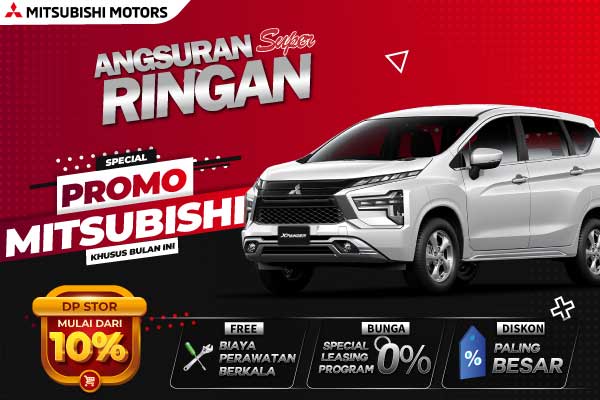
 Mitsubishi XForce
Practical training for aspiring pilots with aviamasters delivers exceptional skill development
- Practical training for aspiring pilots with aviamasters delivers exceptional skill development
- The Importance of Simulator Training in Modern Flight Education
- Benefits of High-Fidelity Simulation
- Developing Crew Resource Management (CRM) Skills
- The Role of Scenario-Based Training in CRM
- Mastering Navigation Techniques: From Traditional to Modern
- The Integration of GPS and Inertial Navigation Systems
- The Role of Upset Prevention and Recovery Training (UPRT)
- Advancing Skills Beyond Initial Certification with aviamasters
Practical training for aspiring pilots with aviamasters delivers exceptional skill development
The pursuit of a career as a pilot is a challenging yet incredibly rewarding endeavor, demanding not only theoretical knowledge but also a high level of practical skill. Traditional flight training can sometimes lack the focused, hands-on experience needed to truly prepare aspiring aviators for the complexities of modern flight operations. This is where specialized training programs, like those offered by aviamasters, play a crucial role. These programs are designed to bridge the gap between classroom learning and real-world application, ensuring that graduates are confident, competent, and prepared to excel in the aviation industry.
Effective pilot training goes beyond simply learning how to control an aircraft. It encompasses a comprehensive understanding of aviation regulations, meteorology, navigation, aircraft systems, and emergency procedures. A robust program will also focus heavily on developing critical decision-making skills, situational awareness, and the ability to perform under pressure. The most successful programs prioritize individualized attention, leveraging advanced flight simulators and real-world flying experience to tailor training to each student’s specific needs and learning style. This personalized approach accelerates skill development and fosters a deeper understanding of aviation principles.
The Importance of Simulator Training in Modern Flight Education
Flight simulators have evolved dramatically in recent years, becoming incredibly realistic and providing a safe and cost-effective way for pilots to hone their skills. Modern simulators can replicate a wide range of flight conditions, including adverse weather, mechanical failures, and emergency scenarios, allowing students to practice responses without the risks associated with actual flight. This is especially vital for mastering procedures that are rarely encountered in routine flying, such as engine failures during takeoff or landing, or dealing with unexpected turbulence. The repetition afforded by simulator training builds muscle memory and ensures that pilots can react quickly and efficiently in critical situations.
Benefits of High-Fidelity Simulation
High-fidelity flight simulators go beyond basic motion and visual cues. They accurately replicate the feel of flight, including the subtle vibrations and aerodynamic forces experienced in a real aircraft. They also provide realistic audio environments, replicating the sounds of the engine, wind, and radio communications. This immersive experience enhances the learning process, making it more engaging and effective. Furthermore, simulator sessions can be recorded and replayed, allowing instructors to provide detailed feedback and identify areas for improvement. The level of detail enables trainees to build confidence in a controlled atmosphere before transitioning to live flight situations. Such programs are designed to build the foundation for long-term success in the field.
| Training Component | Simulator Focus | Real-World Application |
|---|---|---|
| Emergency Procedures | Engine failures, system malfunctions, cabin decompression | Responding to actual emergencies during flight |
| Instrument Flying | Navigation using instruments, approaches in low visibility | Maintaining control and navigating safely in challenging weather |
| Cross-Country Flying | Route planning, navigation, fuel management | Efficiently and safely flying long-distance routes |
| Takeoff & Landing | Variations in wind, runway conditions, aborted takeoffs | Performing smooth and safe takeoffs and landings in all conditions |
The integration of simulator training with actual flight experience creates a synergistic learning environment. Students can initially learn and practice new skills in the simulator, then reinforce their understanding and build confidence during supervised flight sessions. This approach minimizes risk and maximizes learning efficiency, ultimately producing more well-prepared and capable pilots.
Developing Crew Resource Management (CRM) Skills
Piloting isn’t solely about technical skill; effective communication and teamwork are equally crucial, particularly in multi-crew environments. Crew Resource Management (CRM) training focuses on developing these essential soft skills, emphasizing the importance of clear communication, assertive leadership, and effective decision-making within the cockpit. CRM training helps pilots understand their own roles and responsibilities, as well as how to effectively interact with other crew members, air traffic control, and maintenance personnel. A well-trained crew can significantly reduce the risk of errors and improve overall flight safety.
The Role of Scenario-Based Training in CRM
Scenario-based training is a cornerstone of effective CRM instruction. These scenarios typically involve realistic challenges and dilemmas that require crewmembers to work together to find solutions. For example, a scenario might involve a sudden change in weather, a mechanical problem, or a disagreement between pilots about the best course of action. Through these exercises, participants learn how to communicate effectively under pressure, challenge assumptions, and make collaborative decisions. The emphasis is on creating a psychologically safe environment where individuals feel comfortable speaking up and expressing their concerns. This builds a stronger team dynamic and ultimately enhances safety.
- Effective communication protocols are established and practiced.
- Leadership and followership roles are explored and understood.
- Decision-making processes are analyzed and refined.
- The importance of situational awareness is reinforced.
CRM training isn't simply a one-time event; it's an ongoing process that should be integrated into all aspects of flight training. Regular refresher courses and recurrent training are essential to ensure that pilots maintain their CRM skills throughout their careers. The goal is to foster a culture of safety where open communication and teamwork are valued and prioritized.
Mastering Navigation Techniques: From Traditional to Modern
Navigation is a fundamental aspect of flight, and pilots must be proficient in a variety of techniques, both traditional and modern. Historically, pilots relied heavily on visual navigation, using charts, landmarks, and pilotage to determine their position and course. While these skills are still valuable, the advent of GPS and other advanced navigation systems has revolutionized the way pilots navigate. Modern pilots must be able to seamlessly integrate these technologies with traditional techniques, understanding the limitations of each and being prepared to revert to manual navigation if necessary. Proficiency in both areas is essential for ensuring safe and efficient flight operations.
The Integration of GPS and Inertial Navigation Systems
Global Positioning System (GPS) has become an indispensable tool for pilots, providing accurate and reliable position information. However, GPS signals can be susceptible to interference and jamming, making it crucial for pilots to understand how to interpret and verify GPS data. Inertial Navigation Systems (INS) offer an alternative method of navigation, relying on accelerometers and gyroscopes to track an aircraft's position and movement. INS is not subject to external interference, but it can drift over time, requiring periodic updates from other sources. Combining GPS and INS provides a redundant and highly accurate navigation solution. The skill lies in understanding the strengths and weaknesses of each system and utilizing them effectively.
- Understand the principles of dead reckoning and pilotage.
- Master the use of aeronautical charts and navigation tools.
- Become proficient in operating and interpreting GPS data.
- Learn how to use an Inertial Navigation System (INS).
- Develop the ability to cross-check navigation data from multiple sources.
Effective navigation training emphasizes problem-solving skills, requiring pilots to analyze situations, interpret data, and make informed decisions. This includes dealing with unexpected deviations from the planned course, navigating in adverse weather conditions, and responding to equipment malfunctions. A comprehensive navigation program prepares pilots for any challenge they may encounter during flight.
The Role of Upset Prevention and Recovery Training (UPRT)
Despite advancements in aircraft technology and pilot training, loss of control in flight remains a leading cause of aviation accidents. Upset Prevention and Recovery Training (UPRT) is a specialized training program designed to equip pilots with the skills and knowledge to recognize, prevent, and recover from unusual attitudes and loss of control scenarios. UPRT goes beyond traditional stall and spin training, focusing on developing a deeper understanding of aircraft aerodynamics and the factors that can lead to an upset. It also emphasizes the importance of early recognition and prompt, decisive action.
Advancing Skills Beyond Initial Certification with aviamasters
Earning a pilot’s license is just the first step in a lifelong journey of learning and skill development. To remain proficient and adapt to evolving technologies and regulations, pilots must engage in continuous training and professional development. Programs like those offered by aviamasters provide opportunities for pilots to expand their skills, pursue advanced ratings, and stay current with the latest industry best practices. This continued education is essential for maintaining a high level of safety and professionalism. It enables pilots to confidently face new challenges and contribute to the ongoing advancement of the aviation community. Furthermore, courses focused on specific aircraft types or operational environments provide tailored training for pilots pursuing specialized careers.
Investing in ongoing training demonstrates a commitment to safety, professionalism, and a passion for aviation. It not only enhances a pilot’s individual skills but also contributes to the overall safety and efficiency of the aviation system. The dedication to advancement, embraced by programs like the one offered through aviamasters, is critical for ensuring the future of flight is secure and innovative.
1win APK Account Verification Guide for Indonesian Players
10 Deposit Casino: Short Mobile Sessions and the Art of the Quick Spin
Мостбет официальный сайт и зеркало рабочее – вход в БК Mostbet
Model Terpopuler





Slide Model

Daftar Model