
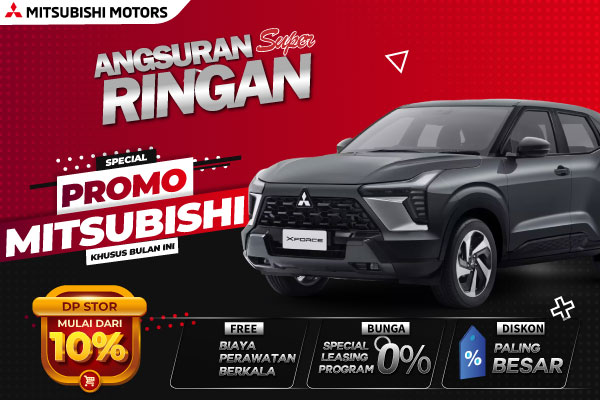
 Mitsubishi XForce
Capable leadership development around https://brewsterpratap.co.uk fuels exceptional organizational growth
- Capable leadership development around https://brewsterpratap.co.uk fuels exceptional organizational growth
- The Core Components of Effective Leadership Development
- The Role of Emotional Intelligence
- Building a Culture of Continuous Learning
- Leveraging Technology for Leadership Development
- The Importance of Mentorship and Coaching
- Selecting the Right Mentor or Coach
- Measuring the ROI of Leadership Development
- Beyond Skills: Cultivating Adaptable Leaders
Capable leadership development around https://brewsterpratap.co.uk fuels exceptional organizational growth
In today’s dynamic business landscape, the ability to cultivate effective leadership is paramount. Organizations that prioritize leadership development consistently outperform their competitors, fostering innovation, resilience, and sustainable growth. Many companies are turning to specialist providers to enhance these crucial internal capabilities. A prime example of a company dedicated to this mission is Brewster Pratap, offering a range of services focused on developing leadership potential—you can find more information at https://brewsterpratap.co.uk. Investing in leadership isn't merely a human resources initiative; it’s a strategic imperative that directly impacts the bottom line.
Exceptional leadership drives employee engagement, reduces turnover, and attracts top talent. It’s about more than just technical skills; it’s about cultivating emotional intelligence, fostering collaborative environments, and building a strong organizational culture. The benefits extend beyond internal improvements, influencing customer satisfaction, brand reputation, and overall market position. Effective leadership development programs should be tailored to the specific needs of the organization, addressing both current challenges and future aspirations. This requires a deep understanding of the company’s values, goals, and the capabilities of its people.
The Core Components of Effective Leadership Development
Effective leadership development isn’t a one-size-fits-all solution. It requires a multifaceted approach that incorporates various learning methodologies and focuses on individual growth within the context of the organization's strategic objectives. A comprehensive program often begins with a thorough assessment of current leadership capabilities, identifying strengths and areas for improvement. This can involve 360-degree feedback, personality assessments, and behavioral interviews. The insights gained from these assessments inform the development of personalized learning paths tailored to the specific needs of each leader. Crucially, development isn't limited to formal training programs; it also encompasses on-the-job coaching, mentoring, and stretch assignments that provide opportunities to apply new skills and knowledge in real-world scenarios.
The Role of Emotional Intelligence
Emotional intelligence (EQ) is increasingly recognized as a critical component of effective leadership. Leaders with high EQ are better able to understand and manage their own emotions, as well as the emotions of others. This allows them to build stronger relationships, resolve conflicts more effectively, and inspire trust and loyalty within their teams. Developing EQ involves self-awareness, self-regulation, motivation, empathy, and social skills. These skills can be honed through targeted training, coaching, and self-reflection. In the context of leadership, emotional intelligence is not simply a “nice-to-have” quality; it’s a fundamental prerequisite for success. It’s about leading with empathy and understanding, fostering a culture of psychological safety where individuals feel comfortable taking risks and contributing their best work.
| Leadership Skill | Development Method |
|---|---|
| Strategic Thinking | Executive Coaching, Simulation Exercises |
| Communication | Public Speaking Workshops, Feedback Sessions |
| Delegation | Mentorship, Action Learning Projects |
| Conflict Resolution | Mediation Training, Role-Playing Scenarios |
The table above illustrates a few key leadership skills and suggested development methods. It's important to remember that this is just a starting point. The most effective development programs are those that are customized to the specific needs of the organization and its leaders. Further, consistent evaluation of these programs is essential to ensure continued relevance and impact.
Building a Culture of Continuous Learning
Leadership development isn’t a one-time event; it’s an ongoing process. Organizations that foster a culture of continuous learning are better positioned to adapt to change, innovate, and thrive in the long term. This requires creating an environment where employees are encouraged to seek out new knowledge and skills, experiment with new approaches, and share their learnings with others. This can be achieved through a variety of initiatives, such as providing access to online learning platforms, sponsoring attendance at industry conferences, and creating internal knowledge-sharing platforms. Moreover, leaders need to model lifelong learning themselves, demonstrating a commitment to their own growth and development and encouraging their teams to do the same. A commitment to continuous learning ensures that individuals are equipped to tackle evolving challenges.
Leveraging Technology for Leadership Development
Technology plays an increasingly important role in leadership development. Online learning platforms, virtual reality simulations, and data analytics tools provide new and innovative ways to deliver engaging and effective learning experiences. For example, virtual reality simulations can allow leaders to practice difficult conversations in a safe and controlled environment. Data analytics can be used to track the progress of individual leaders and identify areas where they need additional support. Furthermore, mobile learning allows leaders to access learning resources on the go, fitting development into their busy schedules. Utilizing these technological advancements can significantly enhance the reach and impact of leadership development initiatives. Platforms like those offered by Brewster Pratap often incorporate modern technologies to create a dynamic learning environment.
- Microlearning modules for just-in-time knowledge.
- Personalized learning paths based on skill gaps.
- Interactive simulations for real-world practice.
- Data-driven insights to measure program effectiveness.
The points above detail some key ways technology is changing the face of leadership development. These technological advancements allow for more targeted, personalized and effective training solutions. Continued innovation in this space will be critical for organizations looking to develop truly exceptional leaders.
The Importance of Mentorship and Coaching
While formal training programs are valuable, mentorship and coaching provide a more personalized and individualized approach to leadership development. Mentors can offer guidance, support, and encouragement to emerging leaders, sharing their own experiences and insights. Coaches, on the other hand, typically focus on helping leaders overcome specific challenges and achieve specific goals. The most effective mentorship and coaching relationships are built on trust, respect, and open communication. Ideally, organizations should provide opportunities for both internal and external mentorship and coaching, allowing leaders to benefit from a diverse range of perspectives. These relationships empower leaders to refine skills and build confidence.
Selecting the Right Mentor or Coach
Choosing the right mentor or coach is crucial for success. It’s important to find someone who has the experience, expertise, and personal qualities to effectively support your development. Consider their track record, their communication style, and their ability to challenge you and provide constructive feedback. It's also important to ensure that there is a good personality fit; you need to feel comfortable being vulnerable and open with your mentor or coach. Look for individuals who demonstrate genuine interest in your growth and a commitment to helping you achieve your goals. A well-matched mentorship or coaching relationship can be transformative, accelerating your development and unlocking your full potential. The resources at https://brewsterpratap.co.uk can help facilitate these connections.
- Define your development goals clearly.
- Identify potential mentors or coaches with relevant experience.
- Conduct introductory conversations to assess fit.
- Establish clear expectations and communication protocols.
The numbered steps above outline a structured approach to selecting a mentor or coach. Taking the time to find the right fit will significantly increase the likelihood of a successful and rewarding relationship. Consistent reflection on the progress made within the mentorship or coaching is also vital for maintaining momentum and achieving desired outcomes.
Measuring the ROI of Leadership Development
Demonstrating the return on investment (ROI) of leadership development initiatives can be challenging, but it’s essential for securing ongoing funding and support. Traditional metrics, such as training hours completed and participant satisfaction scores, are useful, but they don't tell the whole story. More meaningful metrics include improvements in employee engagement, reduced turnover rates, increased productivity, and enhanced financial performance. It’s also important to track the impact of leadership development on key strategic initiatives, such as market share growth and new product launches. By linking leadership development to measurable business outcomes, organizations can demonstrate its value and justify the investment.
Establishing clear baseline data before implementing a leadership development program is crucial for accurately measuring its impact. This allows organizations to track changes over time and attribute those changes to the program. Furthermore, it's important to use a variety of data sources, including surveys, performance reviews, and financial reports, to get a comprehensive picture of the program's effectiveness. Reporting these metrics clearly to key stakeholders reinforces the significance of continued investment in leadership development.
Beyond Skills: Cultivating Adaptable Leaders
The modern business environment is characterized by constant change and disruption. Therefore, simply equipping leaders with a set of skills is no longer enough. Organizations need to cultivate adaptable leaders who are able to navigate ambiguity, embrace innovation, and thrive in the face of uncertainty. This requires fostering a growth mindset—a belief that abilities and intelligence can be developed through dedication and hard work. Adaptable leaders are also comfortable with experimentation and failure, viewing setbacks as learning opportunities. The ability to quickly learn and unlearn is a defining characteristic of successful leaders in today’s world. Developing this adaptability requires a shift in mindset and a commitment to continuous self-improvement.
Beyond core skills and adaptability, leaders must embrace agility, actively seeking out and responding to emerging trends. This might involve participating in industry forums, engaging in continuous learning, or fostering cross-functional collaboration to broaden perspectives. Organizations can also support this by creating internal innovation labs or sponsoring participation in external accelerator programs, fostering a culture of experimentation and risk-taking. The most effective leaders are those who anticipate change—and not simply react to it—positioning their organizations for sustainable success in the long term.
Betlabel Red Tiger Highlights
Dracula Casino Infinite Blackjack Caracteristici
Rolletto RNG Reguli și Câștiguri la Blackjack
Model Terpopuler





Slide Model

Daftar Model